Pick Up After Your Dog
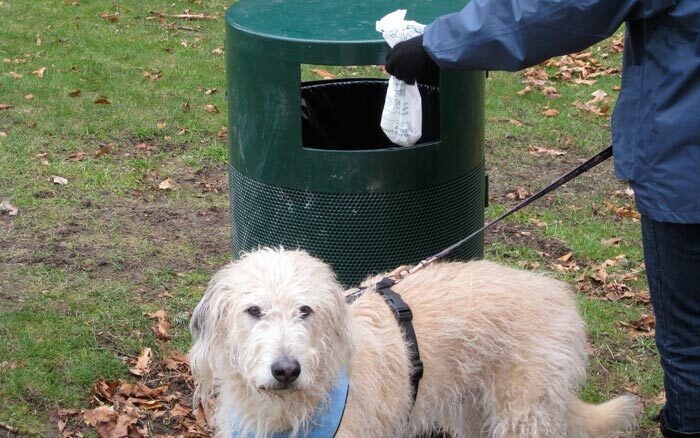
Pet owners should pick up and dispose of pet waste, so it will not wash into our waterways, and we can swim and fish safely.
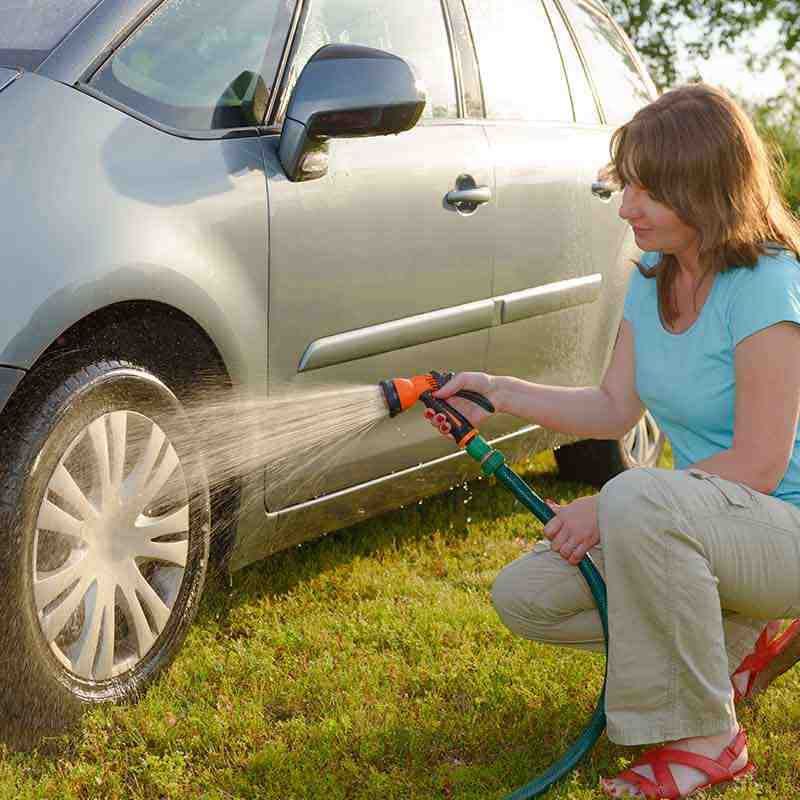
Washing your car can send harmful chemicals down storm drains not designed to filter water.
From there, chemicals and soap will get into our streams, bay, and Gulf where they can harm marine creatures, plant life and water quality. Wash your car with gentle chemicals where the water will seep into the ground or use a professional car wash that treats and recycles water.
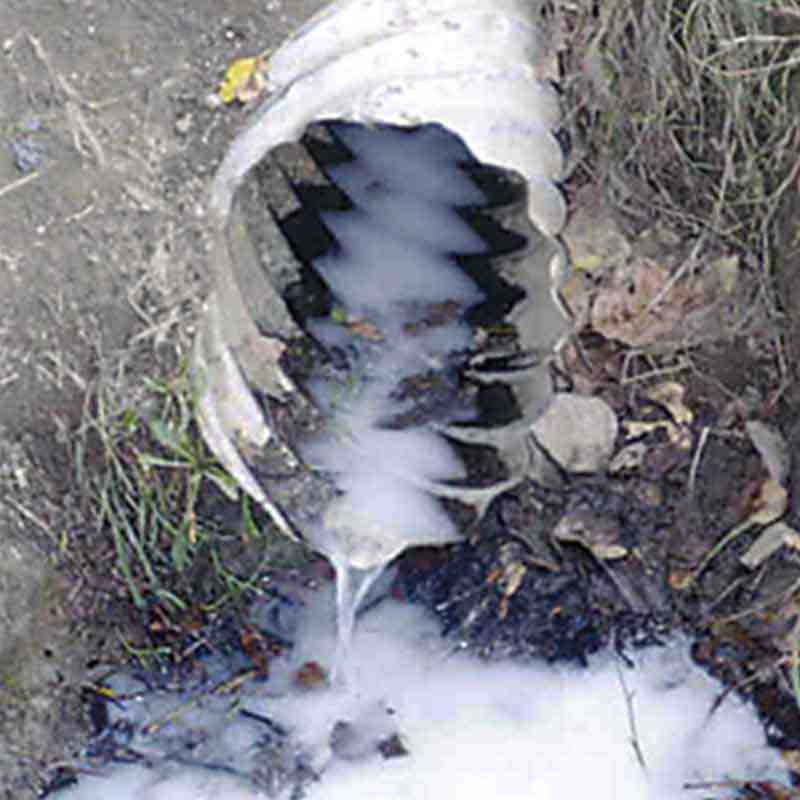
Conventional car wash detergents contain chemicals like acids, chloride, and phosphates (including hydrochloric acid, naphthalene, methylene chloride, and sulfuric acid). When washing the car on the street, these chemicals run untreated down storm drains into our creeks, poisoning fish and wildlife.

Phosphates and nitrogen create nutrient pollution which causes algae to grow and reproduce very quickly creating a range of ecological problems including fish kills because of toxin production, decreased oxygen levels, and lack of sunlight.
Fish Kill from Karenia Brevis - Photo: Alison Robertson, Ph. D.

Washing a car at home can use up to 100 gallons of water and commercial car washes use between 40-60 gallons, while self-serve spray guns need only 12-18 gallons for the same car.
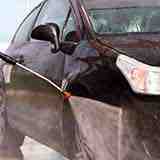
Carwashes that follow The International Carwash Association WaterSaver guidelines will limit water used to 40 gallons of water and will route the used water to water treatment centers or septic systems.
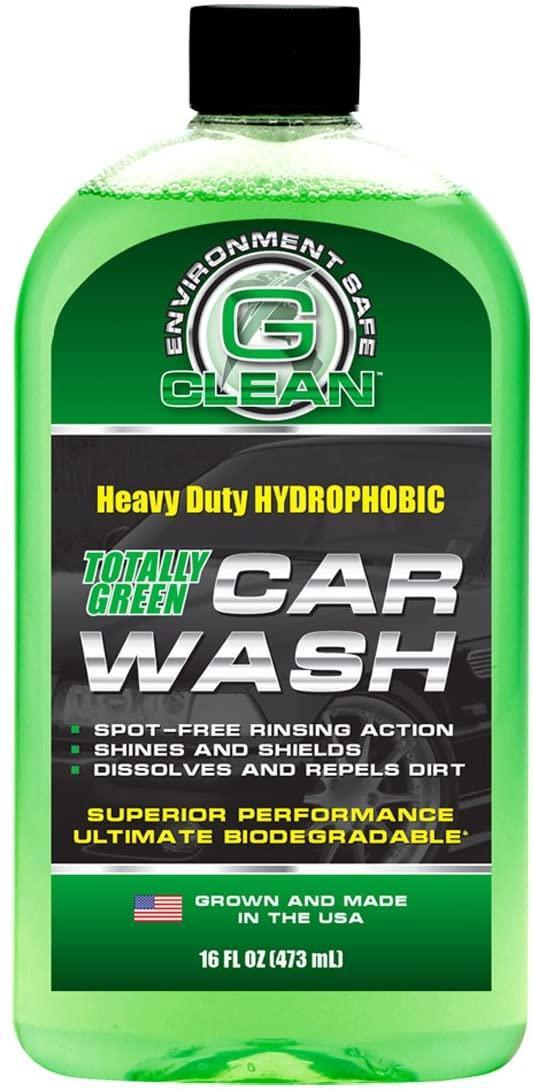
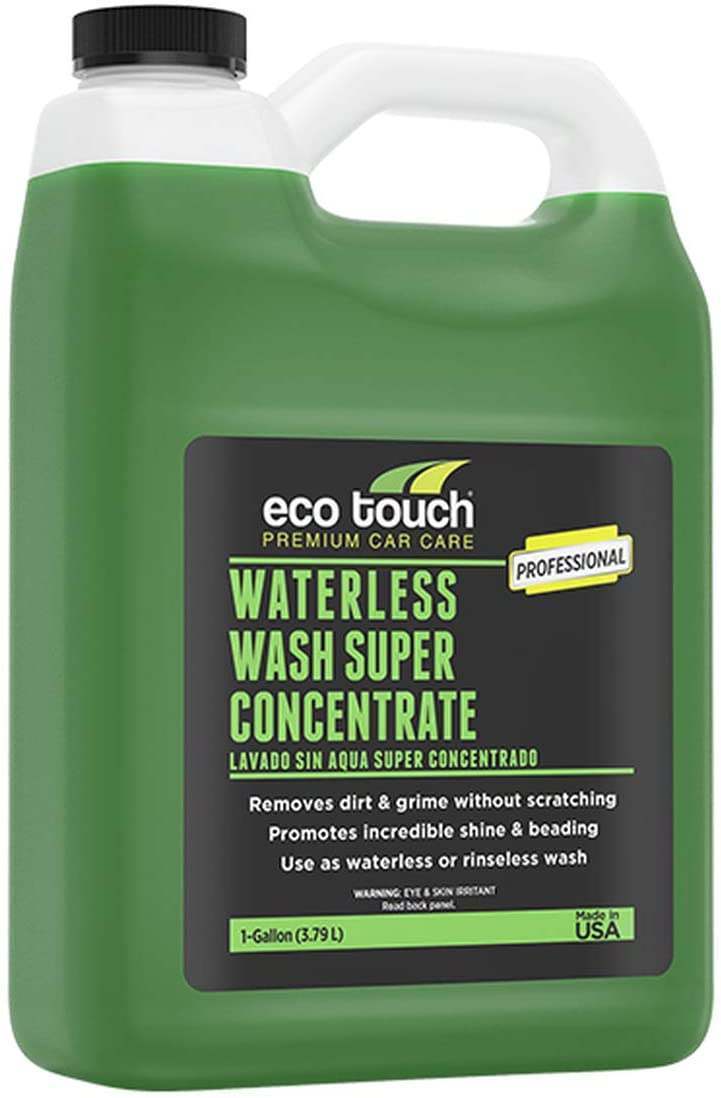
Waterless car wash sprays not only conserve water, but they help keep pollutants out of our storm drains and our rivers and bayous.
ADEM Carwash Flyer (PDF)

In urban and suburban areas, much of the land surface is covered by buildings and pavement, which do not allow rain and snowmelt to soak into the ground.
WaterSavers® is a recognition program from the International Carwash Association designed to help professional car washes promote their environmentally responsible business practices. Find locations of parcipating car washes.
Pet owners should pick up and dispose of pet waste, so it will not wash into our waterways, and we can swim and fish safely.
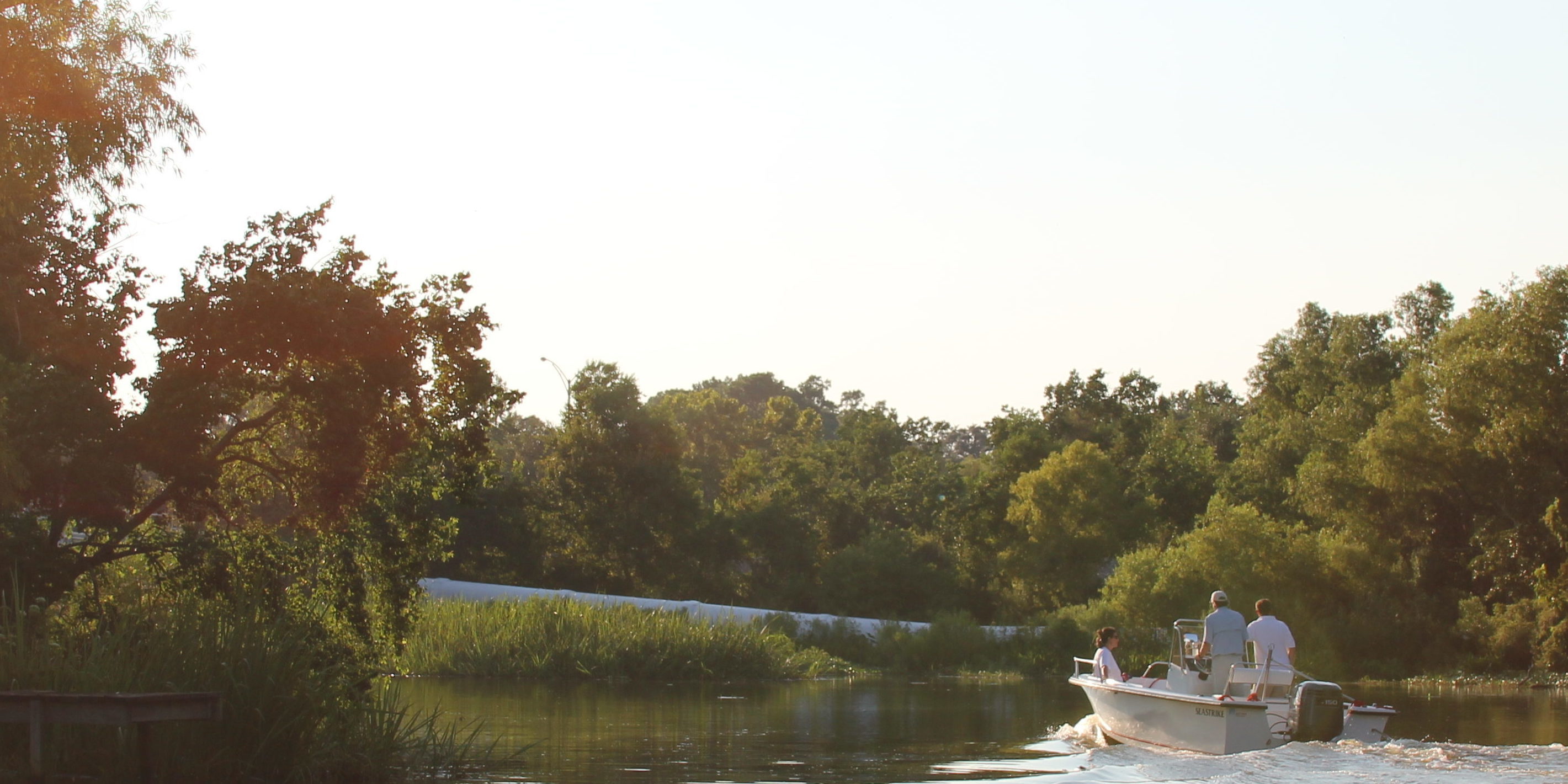
Getting out on the water is not only fun and great exercise, the more you use the water, the more likely it is you'll think about protecting it. So go ahead, go for a swim, get your fishing pole, take a boat for a ride, or attend a water festival near you.

Plastic bags are often found in our waters when they blow away or are disposed of improperly. They remain there for generations to come as they slowly degrade into small pieces that are easily misconceived for food by fish and marine wildlife.