Start Recycling Program

Recycling teaches positive behaviors that help keep plastic bottles and cans out of our waters.
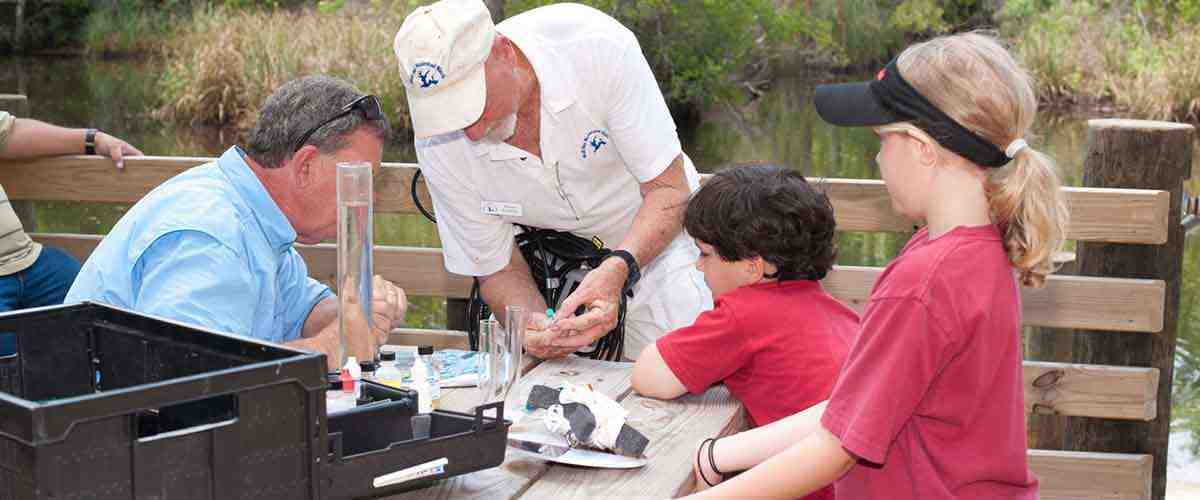
Whether you catch fish for fun or for a living, swim for exercise or for leisure, kayak or powerboat, or just like to gaze at its beauty, as a community, coastal Alabama is intimately intertwined with its water resources. We depend on healthy water resources to sustain our environment, economy, and quality of life. Understanding the health of Mobile Bay’s estuarine waters is paramount to ensure the experiences and opportunities afforded to you remain intact and accessible for the next generation.
One of the best ways to determine the condition of a waterbody is to conduct regular monitoring. However, when you consider the numerous waterways in coastal Alabama, along with budget constraints and other limitations placed on professionals and government agencies, routinely monitoring every river and stream seems daunting at best. The good news, however, is a productive and cost-efficient way to collect comprehensive water quality data already exists, all it needs is you. In watersheds around Mobile Bay, citizens from all walks of life volunteer to become certified Alabama Water Watch (AWW) monitors and test sites monthly.
Learn the principles of Alabama Water Watch and how to monitor and evaluate physical, chemical, and biological features of water. Workshops are offered throughout the state and carry Continuing Education Units (CEUs) with Auburn University.
Volunteer testing the physical and chemical characteristics of water (by AWW)
Many watersheds have community groups dedicated to protecting and preserving their watershed through water quality monitoring along with other activities.
Alabama Water Watch is a citizen volunteer, water quality monitoring program covering all of the major river basins of the state. The mission of AWW is to improve both water quality and water policy through citizen monitoring and action.
This manual provides information and documents to assist with planning and implementing a Volunteer Water Quality Monitoring Program. It is intended to serve as a trusted resource for establishing the program and as a point of reference thereafter. Additionally, this manual includes a number of resources to ease the process of developing a program so the focus can be directed on the primary objective – collecting and reporting water quality data.

Registration and training event details and signups to be certified under the Alabama Water Watch can be found here at the Alabama Water Watch Events page.
Recycling teaches positive behaviors that help keep plastic bottles and cans out of our waters.
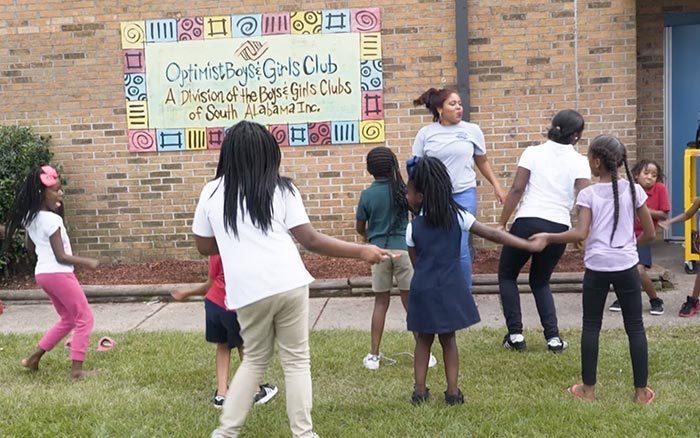
The Trash Mob Dance is a simple dance that helps teach the importance of putting trash in a trash receptical and picking up trash you see on the ground.
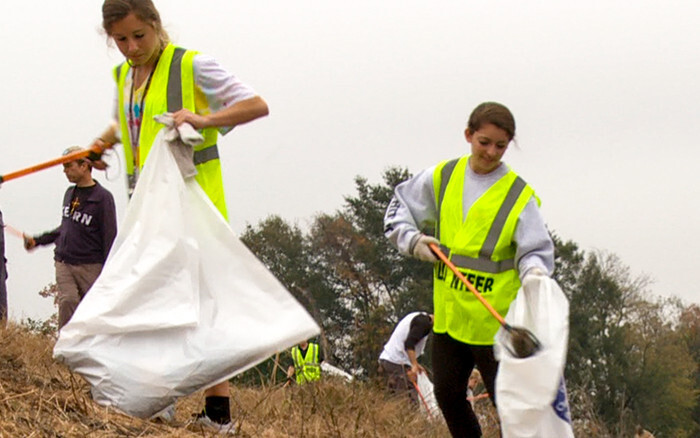
Community cleanups are a social, hands-on way that teens can help cleanup the litter and debris that gets washed down storm drains and into our waterways where it can pollute the water and injure marine creatures.